

The Rebel
| Author: | Albert Camus, Anthony Bower (Translator) |
|---|---|
| Publisher: | Penguin Books Ltd |
| Format: | Paperback |
| No. of Pages: | 272 |
| Genre: | Fiction |
14 USD
Out of stock
Synopsis
A philosophical exploration of the idea of rebellion by one of the leading existentialist thinkers, Albert Camus’ The Rebel looks at artistic and political rebels throughout history, from Epicurus to the Marquis de Sade. This Penguin Modern Classics edition is translated by Anthony Bower with an introduction by Oliver Todd.
The Rebel is Camus “attempt to understand the time I live in” and a brilliant essay on the nature of human revolt. Published in 1951, it makes a daring critique of communism – how it had gone wrong behind the Iron Curtain and the resulting totalitarian regimes. It questions two events held sacred by the left wing – the French Revolution of 1789 and the Russian Revolution of 1917 – that had resulted, he believed, in terrorism as a political instrument. In this towering intellectual document, Camus argues that hope for the future lies in revolt, which unlike revolution is a spontaneous response to injustice and a chance to achieve change without giving up collective and intellectual freedom.
Author
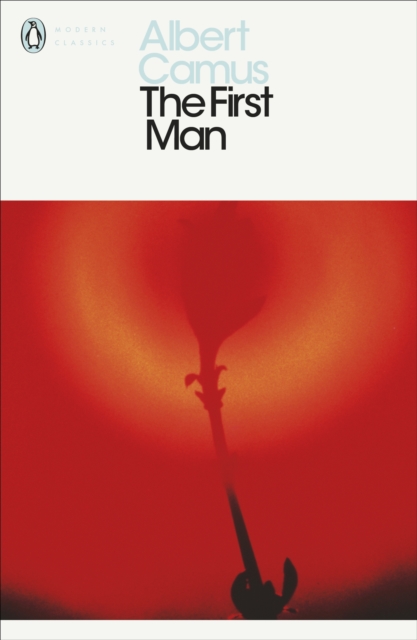
Albert Camus (1913-60) grew up in a working-class neighbourhood in Algiers. He studied philosophy at the University of Algiers, and became a journalist. His most important works include The Stranger The Myth of Sisyphus, The Plague and The Fall. After the occupation of France by the Germans in 1941, Camus became one of the intellectual leaders of the Resistance movement. He was killed in a road accident, and his last unfinished novel, The First Man, appeared posthumously.